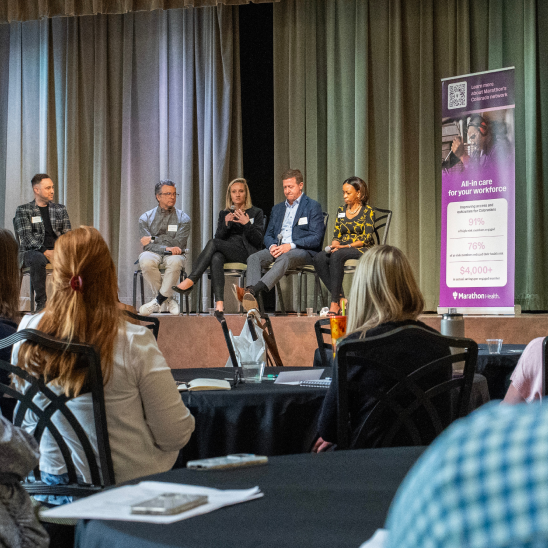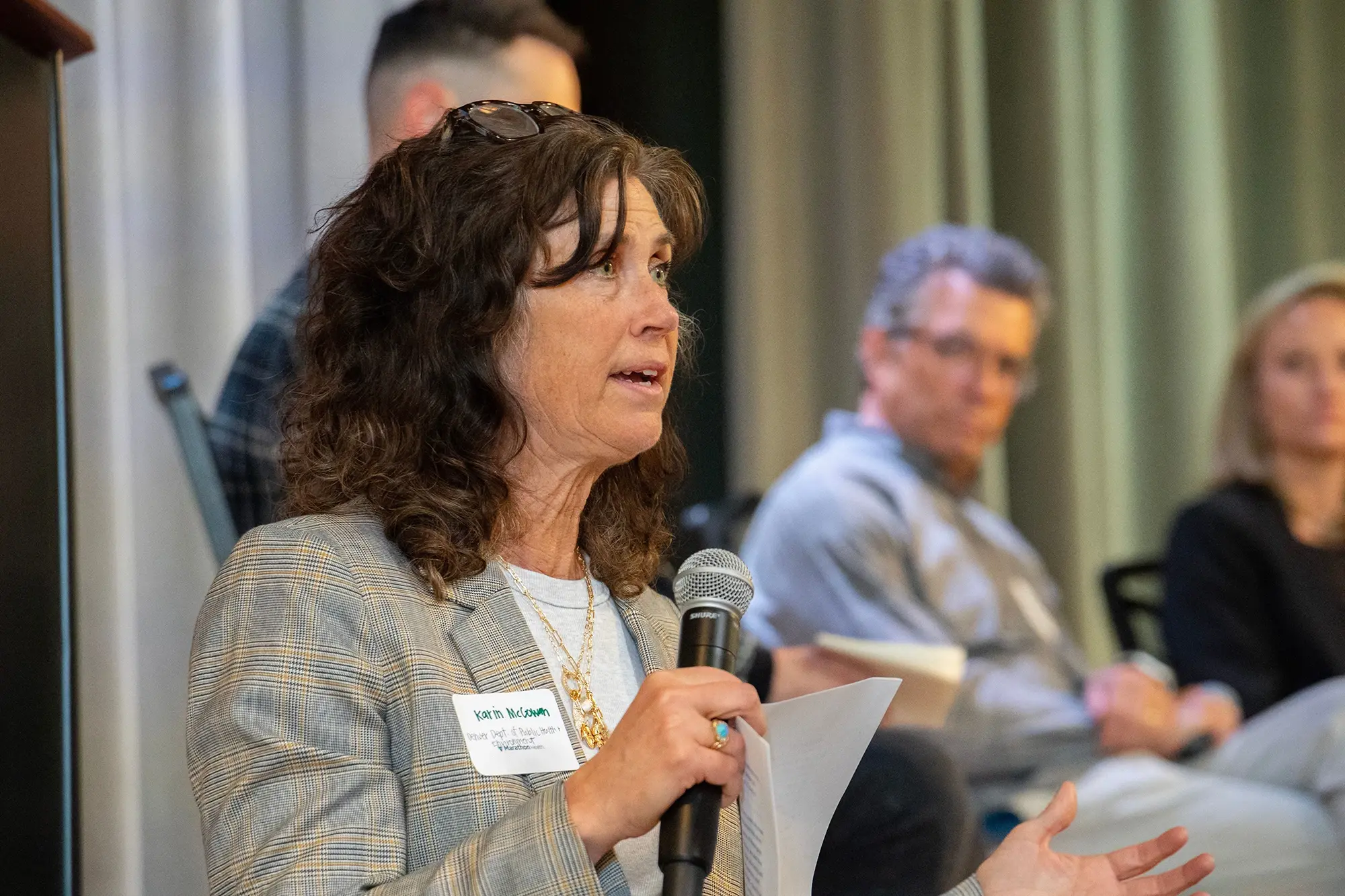
Colorado mental health access roundtable speakers Keith Dennis, Vincent Atchity, Krista Beckwith, Aisha Rousseau, and Todd Lambert pose together.

Colorado ranks 41st in overall mental health, yet nearly 30% of residents report a mental health problem. Access alone hasn't moved the needle. The real question is whether care is connected, trusted, and built around the whole person. This roundtable explores what it takes to close Colorado's mental health access gap.

INSIDE THE ROUNDTABLE

What it takes to truly close Colorado's mental health gap

Colorado's mental health challenge isn't simply a shortage of services—it's a systems problem. Demand is rising across workforces in labor, government, education, and the private sector. Leaders are under pressure to find solutions that actually work, not just expand what already exists.

This on-demand recording captures a roundtable held at Denver Botanic Gardens, bringing together voices from state government, public health, education, advocacy, and employer-sponsored healthcare. The conversation goes beyond the statistics to examine what it really takes to make care more connected, more human, and more accessible.

Topics explored in this roundtable include

  • The cost of keeping mental and physical health separate, and what integrated care makes possible

  • How siloed systems push patients toward high-cost, crisis-level settings

  • The role of primary care as a front door to mental and behavioral health support

  • What schools, employers, and public agencies can do to strengthen care coordination

  • The risks of patients turning to AI and social media in the absence of trusted provider relationships

  • Workforce and cultural competency challenges facing Colorado's behavioral health system

What you'll take away

Viewers leave with a clearer picture of where Colorado's mental health access gap is most acute, which system-level levers matter most, and how integrated primary care models can support better outcomes across employer populations, school communities, and public health infrastructure.

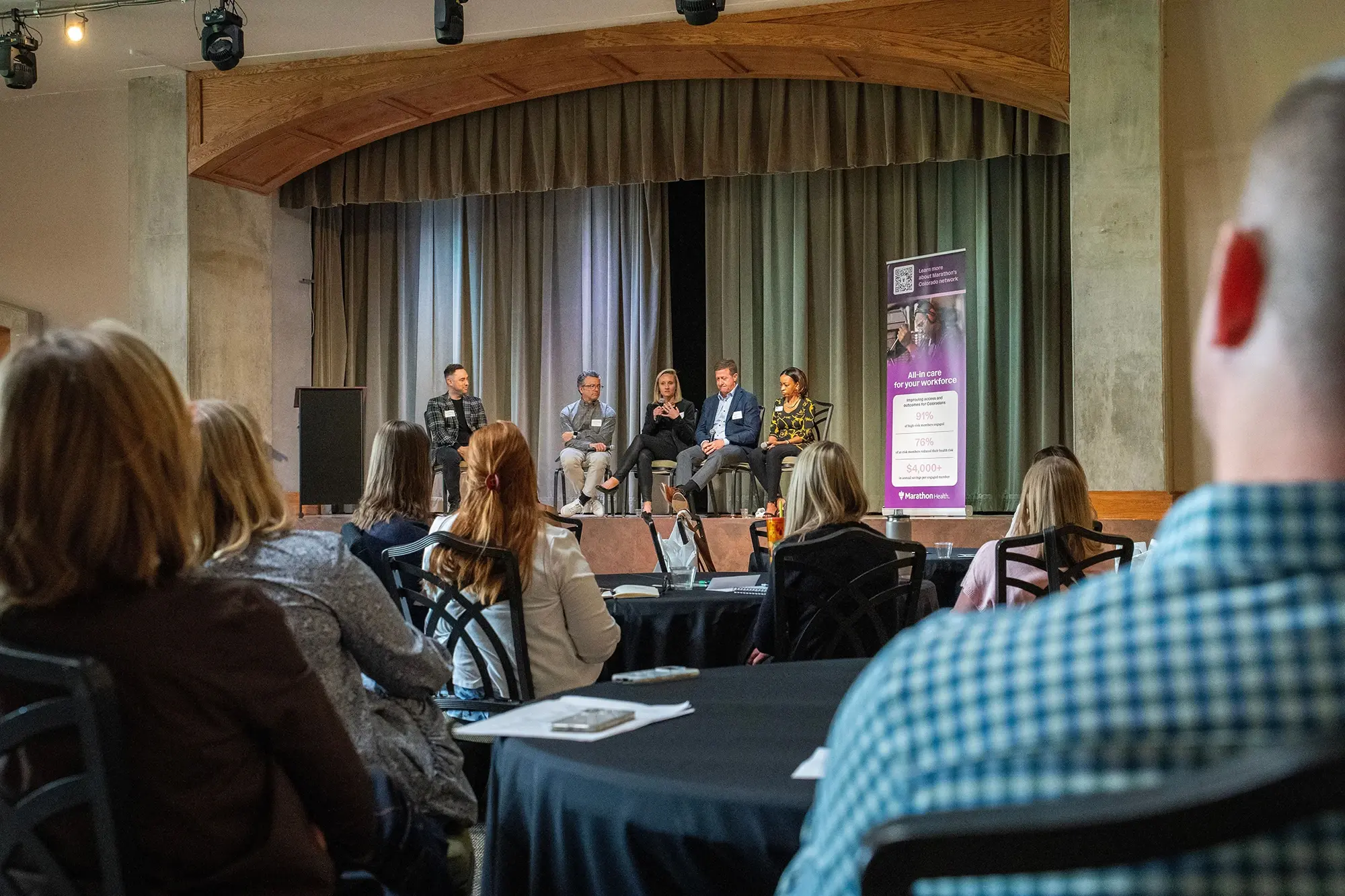
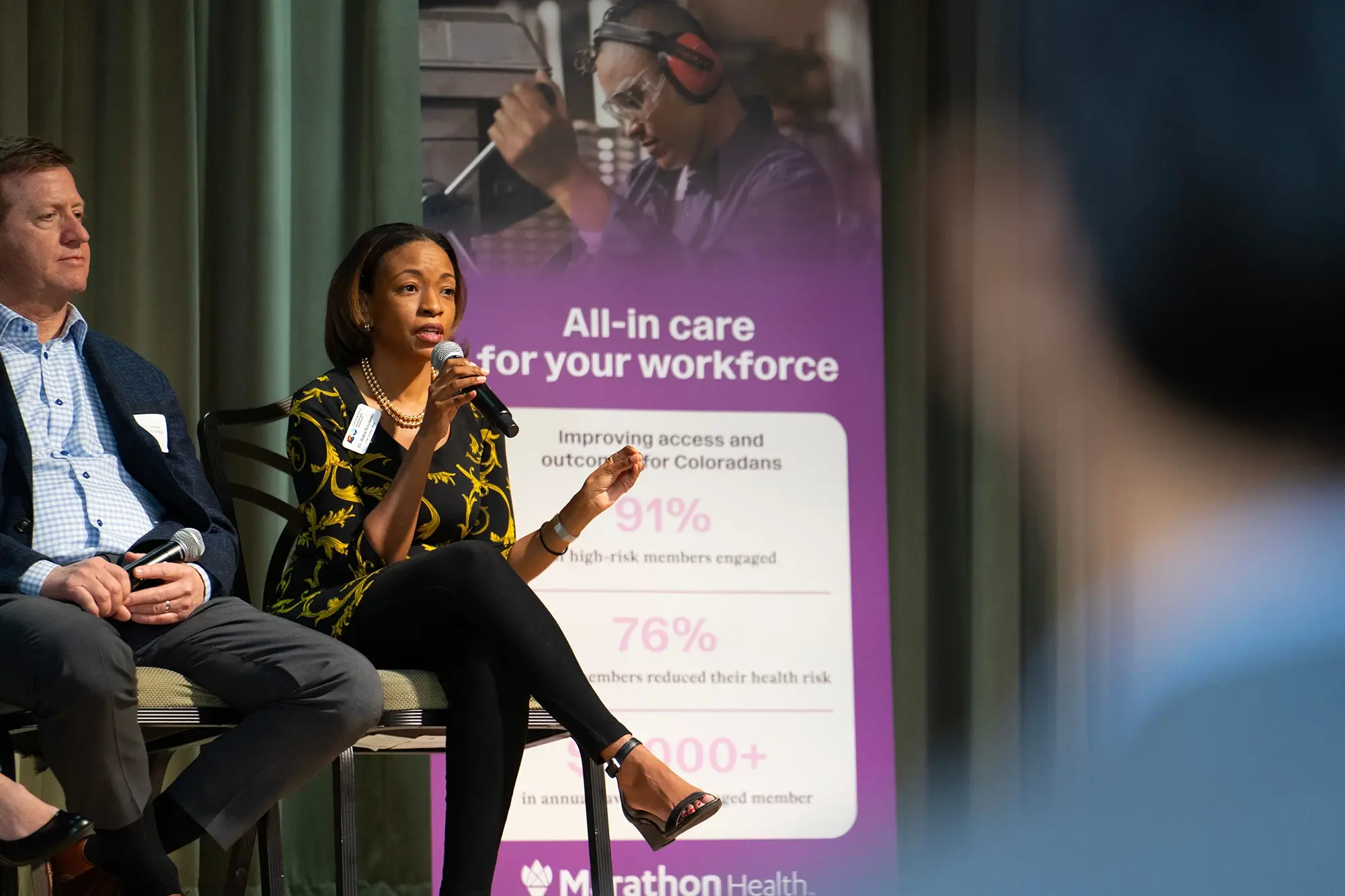
Panel discussion at the Colorado mental health access roundtable with audience seated at tables.
WHY WATCH

Real conversations on closing the access gap

Practical perspectives, not talking points

Colorado's mental health ranking isn't just a statistic—it's a signal. This roundtable explores how integrated care models improve outcomes for employees, students, and communities. Hear directly about the real impact of workforce shortages, cultural gaps, AI, and advanced primary care.

Whether you are an employer evaluating benefits, a public health leader navigating access disparities, or an educator managing well-being, this conversation offers perspectives worth hearing.
WATCH ON DEMAND

Access the full Colorado mental health roundtable

Colorado's mental health access gap is not closing on its own, and local leaders are sharing why. Watch to learn how integrated care outperforms siloed systems, and see how primary care can serve as the front door to mental health.