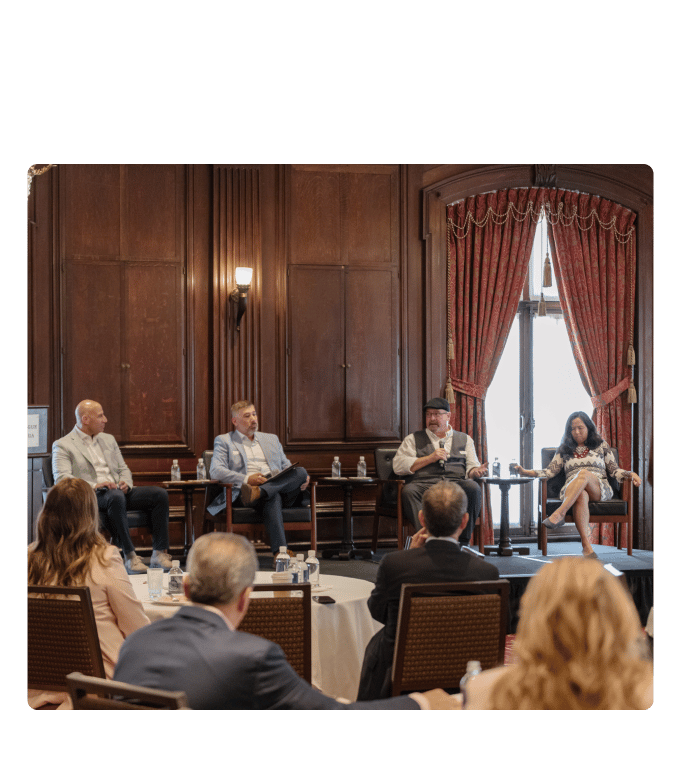
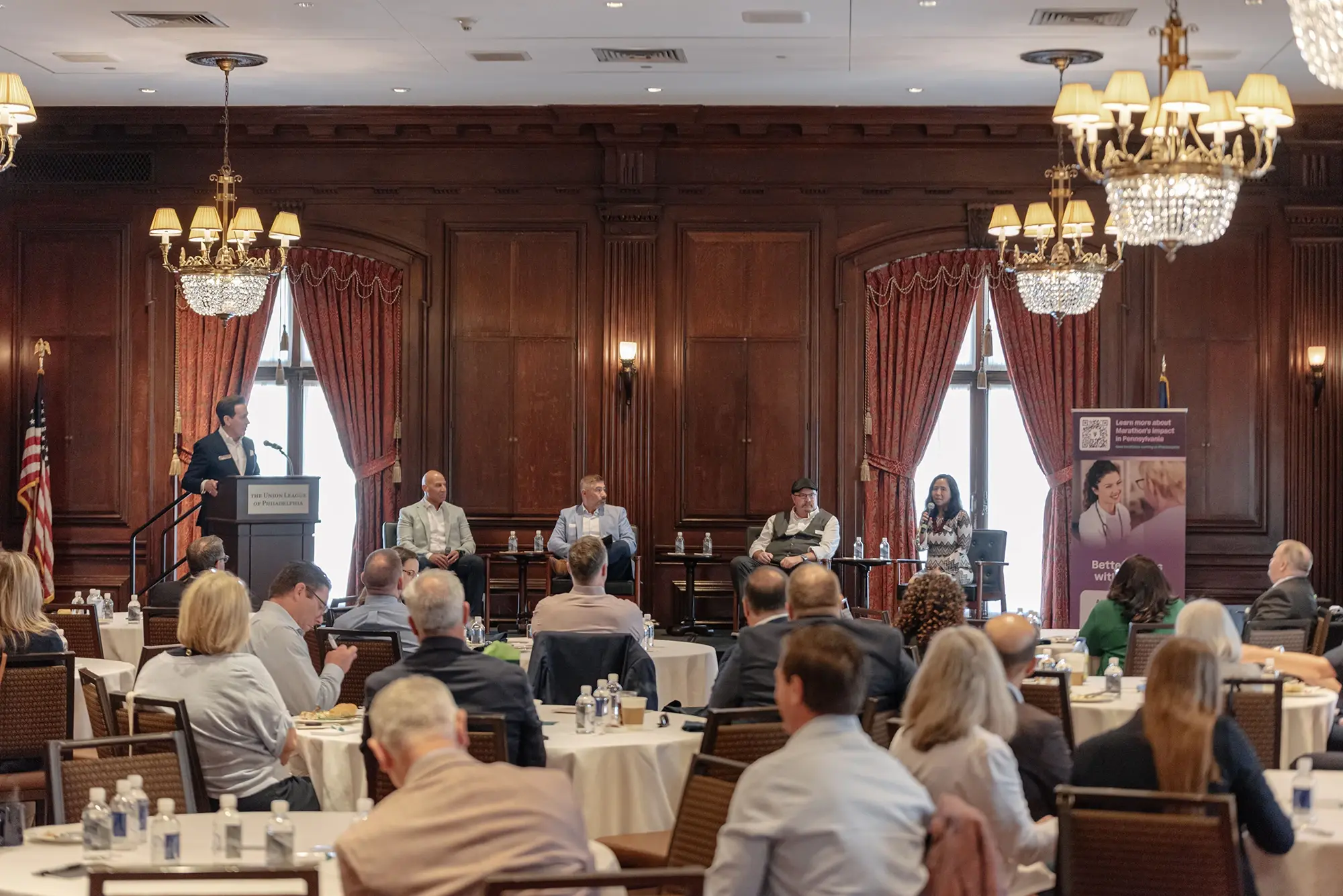
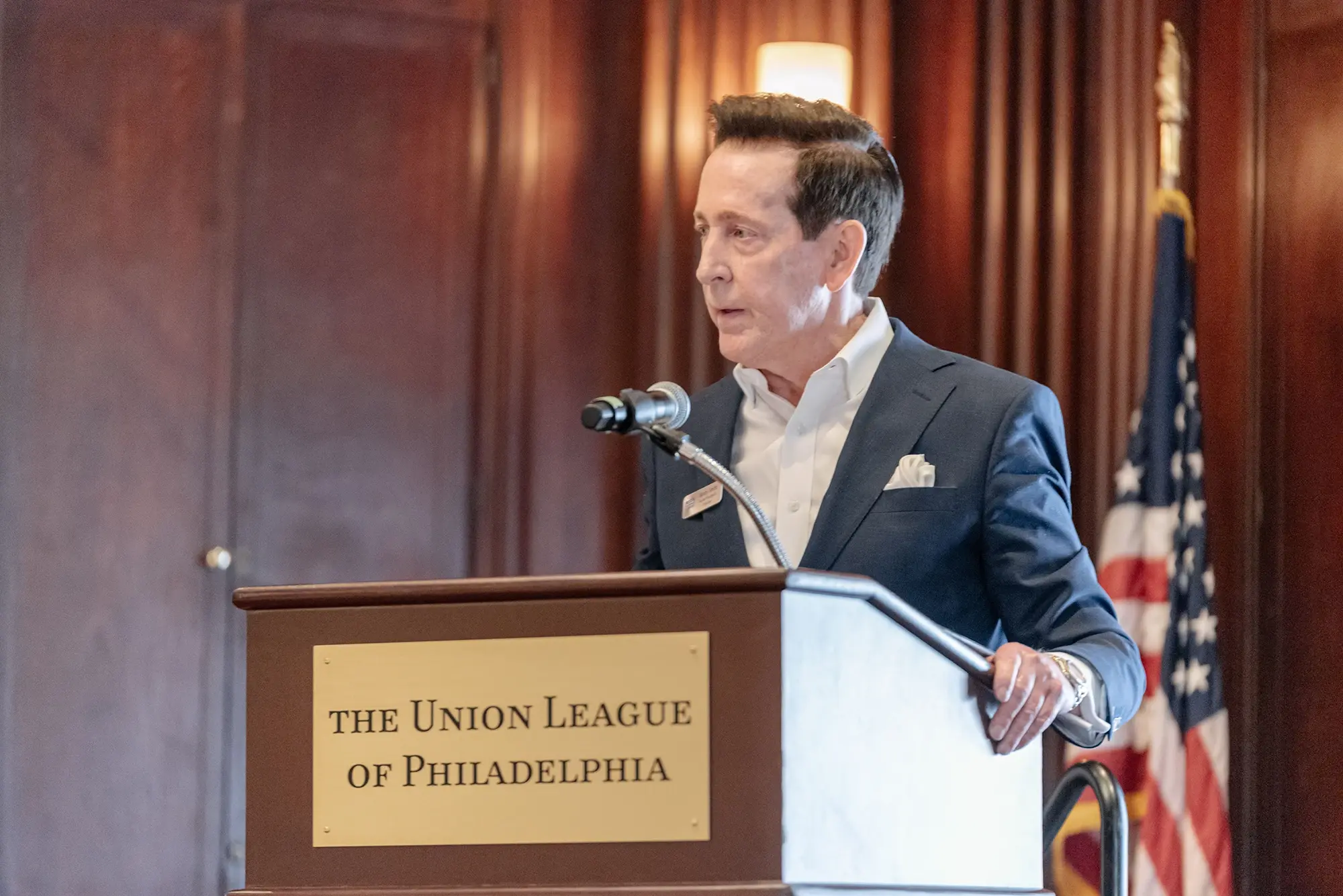
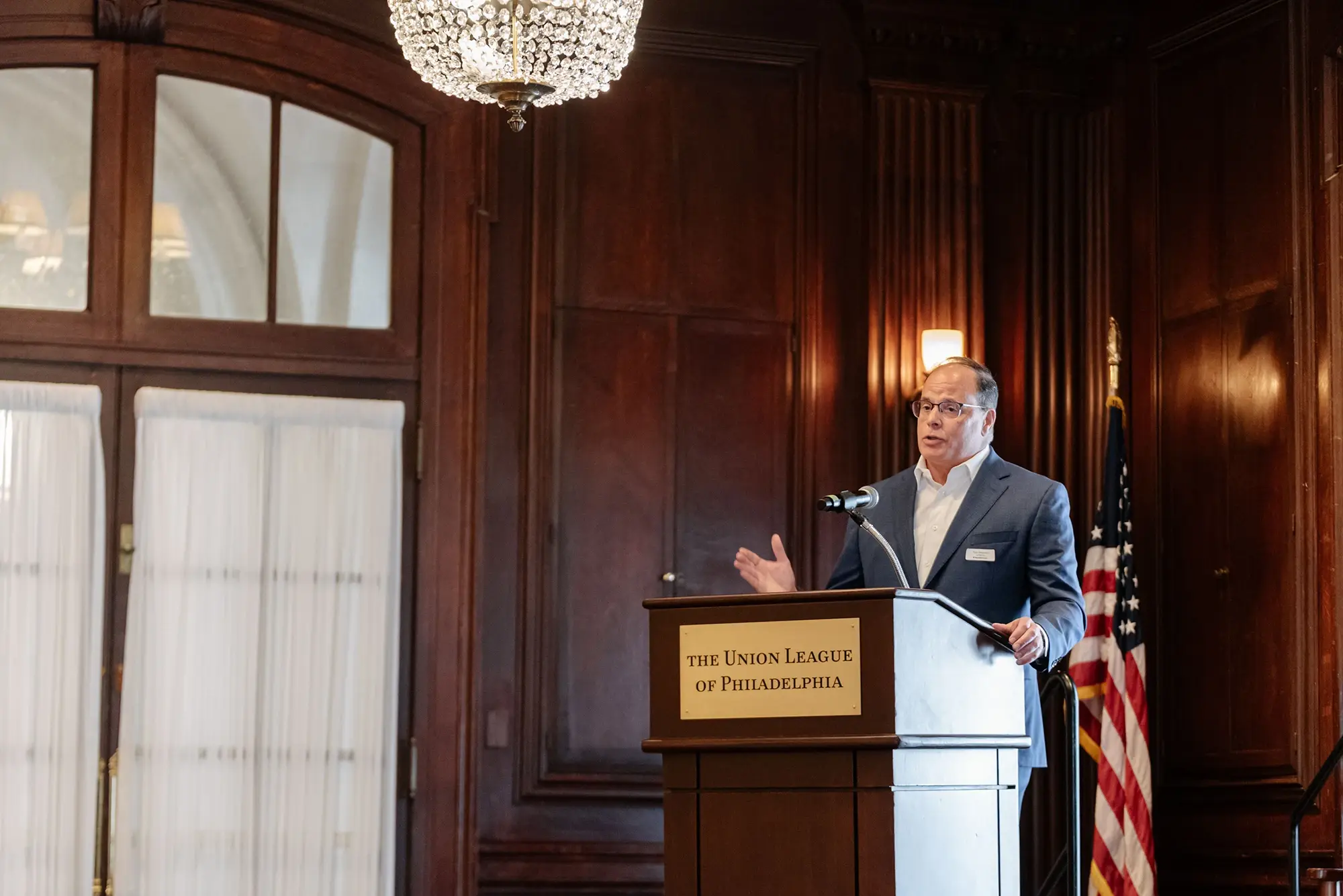
With opening remarks from Tom Belmont, president and CEO of Greater Philadelphia Business Coalition on Health (GPBCH), this event at the Union League brought together employers, labor leaders, benefits advisors, and healthcare providers to examine the paradox in practice—and what it takes to begin closing the gap.
Panel: Shaping smarter care decisions as an employer
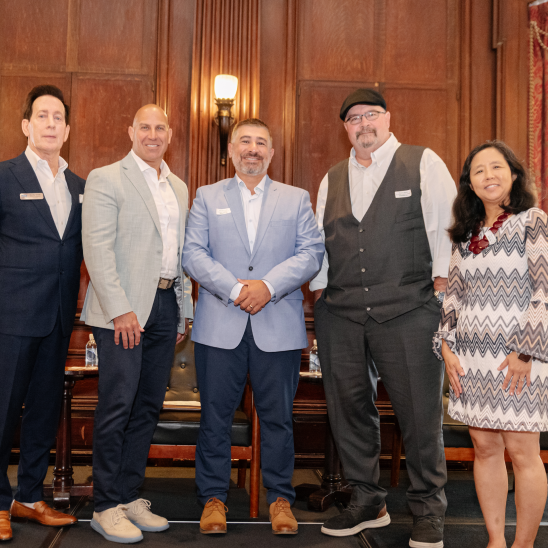
Moderated by Sandy Smith, market president and publisher of Philadelphia Business Journal, the panel featured George Fiore, executive director of Chester County Intermediate Unit, James Startare, vice president of benefits at Aramark, Robert S. Bair, president of Pennsylvania State Building Trades, and Sunny Cutler, senior consultant at Lincoln Financial.
The panel explored how organizations across different sizes and sectors are rethinking their role as purchasers of care:
-
Access vs. outcomes: why proximity to great health systems doesn't guarantee great care
-
How cost disparity creates inequitable experiences for employees and plan members
-
Direct contracting, self-insurance, and benefits design as tools for affordability
-
What "activist purchasing" means in practice—and employer-led market disruption
-
Primary care as the foundation of benefits—and Pennsylvania's growing access crisis
-
Mental health as a workforce issue: how employers across sectors are responding
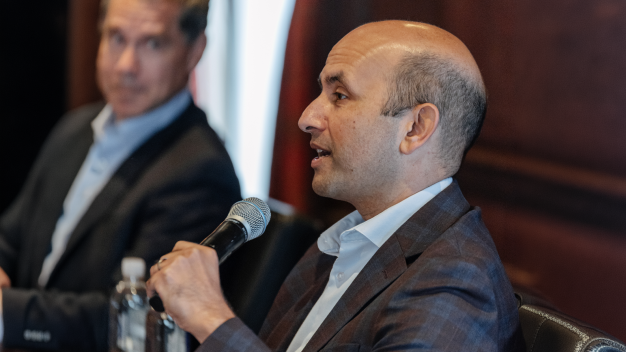
Fireside chat: When care is personal, outcomes follow
The fireside discussion featured Justin Bekelman, MD, co-founder and CEO of Daymark Health, and Nirav Vakharia, MD, chief operating officer of Marathon Health. This conversation between a primary care leader and an oncology innovator examined what relationship-based, integrated care looks like when it works—and the cost of late intervention:
-
Why consistent primary care relationships shape patient behavior and employer cost
-
What separates care models that drive outcomes from those that add complexity
-
Advanced primary care as an integration platform for point solutions and specialty care
-
How coordinated action at diagnosis shifts patient experience and cost exposure
-
What continuity of care requires from primary care, oncology, and employers
What you'll take away
Employers who move beyond incremental change see real results. By collaborating with labor groups and providers, organizations build the scale needed to drive meaningful market change—shifting from passive cost absorption to a proactive care strategy.