Today's healthcare system offers more innovation, technology, and treatment options than ever before. But more options do not always make healthcare easier to use.
Patients face long wait times, rising costs, and an increasingly complex network of providers, benefits, and services. Providers face growing administrative demands and less time with the people they serve. Employers, meanwhile, are asked to evaluate an ever-growing number of programs and point solutions—many of which add complexity without making it easier for employees to get the care they need.
The result: A healthcare system full of resources that remain hard to access and navigate.
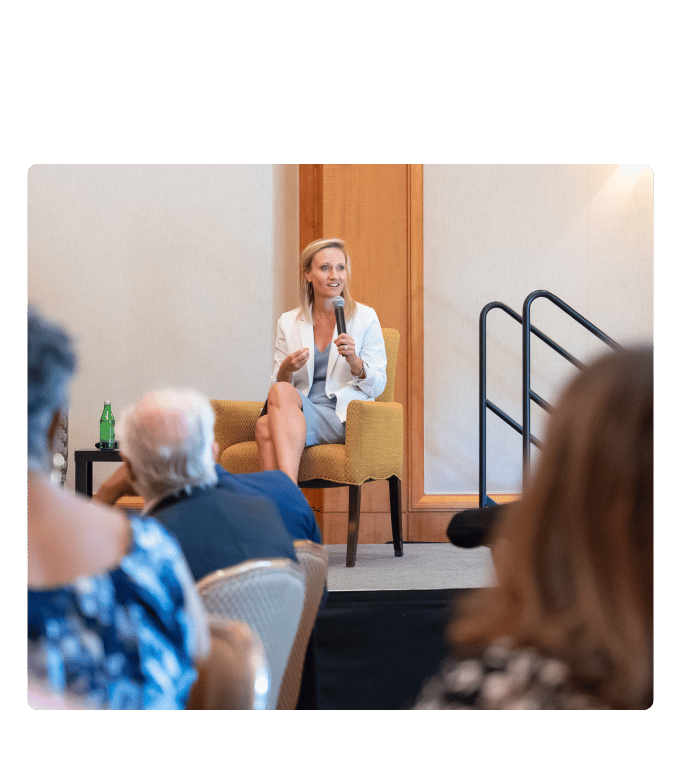
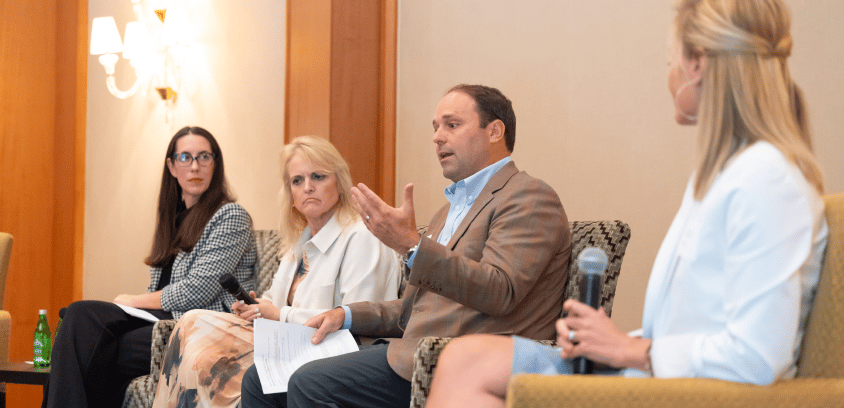
At a recent roundtable hosted by Marathon Health in partnership with the Triangle Business Journal, healthcare and business leaders explored this complexity across North Carolina and discussed how employers can help create more accessible, connected, and effective pathways to care.
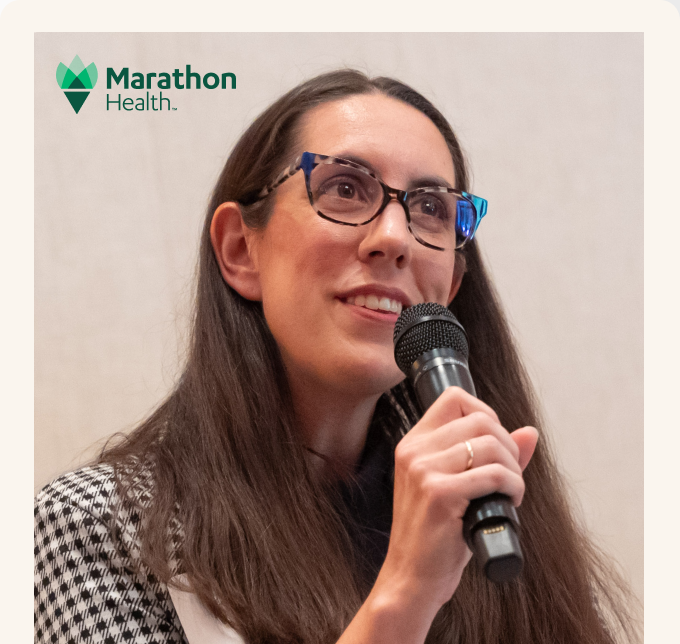
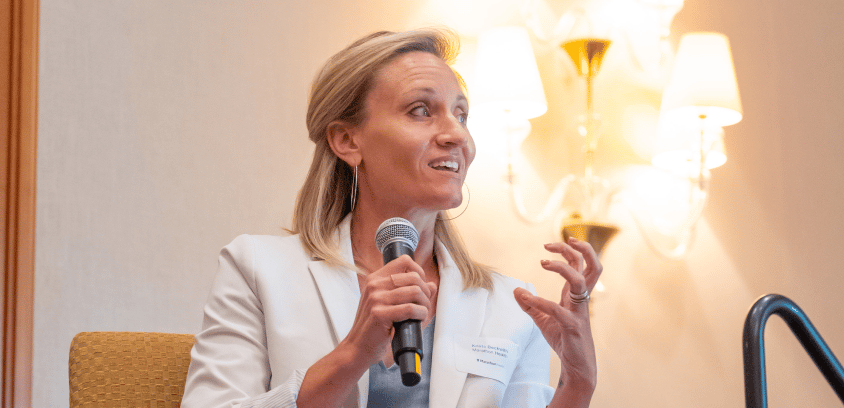
The conversation was moderated by Sougata Mukherjee, market publisher at Triangle Business Journal, and featured Krista Beckwith, VP of population health at Marathon Health; Pamela Genske, VP of human resources at Capitol Broadcasting; Brandon Moorefield, executive VP of employee health and benefits at Marsh McLennan Agency; and Amanda Barefoot, managing director of healthcare and life sciences solutions at SAS.
Throughout the discussion, the panelists returned to a deceptively simple idea: improving healthcare does not always require adding more programs, technology, or layers of complexity. Sometimes, it means getting back to the basics—making care attainable, giving providers time to build trusted relationships with patients, supporting prevention, and creating clearer pathways to the services people need.
Healthcare has become more complicated, but people still need simple, meaningful support
The Triangle is home to advanced health systems, leading research universities, innovative technology, and world-class specialty care. Those resources are essential, particularly when someone faces a serious illness or complex diagnosis.
Speaking about the Triangle, Brandon Moorefield said, “Part of what attracts folks moving here is that we really do have a tremendous healthcare delivery system.”
“There’s no place you’d rather be when something serious happens,” he said.
But many employees need support long before they require advanced treatment. They need providers who can answer questions, help manage chronic conditions, recommend preventive screenings, and guide them toward the right care when new health concerns arise. Just as importantly, they need healthcare that fits into their lives and is available when they need it.
Moorefield said that, like other regions, the Triangle also struggles with access to primary care.
Employees may struggle to find a primary care provider, wait weeks for an appointment, or feel overwhelmed by a growing number of healthcare benefits and digital tools. At the same time, providers are often asked to manage large patient populations while balancing administrative requirements and productivity expectations. The result is a system that can feel increasingly disconnected from the people it's meant to serve.
Access is the floor: Healthcare must also be attainable
A central theme of the conversation was that healthcare can be technically available yet not truly attainable.
"Access is the floor, it is not the ceiling. We have access,” said Krista Beckwith. “It must be attainable. I have to be able to go into my Marathon Health center, have whatever type of appointment I have, and talk about whatever I wanna talk about, problem-focused or prevention-focused.”
Having healthcare resources nearby doesn't necessarily mean employees can use them. Appointments may be difficult to schedule, benefits can be confusing to navigate, and available care may not fit into employees' work schedules or daily lives.
Attainable care goes a step beyond availability. It means making care easy to find, simple to navigate, and accessible in ways that work for employees, whether that's in person, virtually, by phone, or through secure messaging. It also means giving providers enough time to answer questions, understand the full picture, and build meaningful relationships with patients.
Meaningful care begins with relationships
Most medical professionals enter the field because they want to help people improve their health, build lasting relationships, and guide them through difficult moments. Unfortunately, traditional healthcare models do not always give them the time or flexibility to do that work.
Krista Beckwith said people go to medical school to help people, but many are placed in settings where they must see 25 patients a day and keep moving to the next appointment to meet billing demands. “That’s not what people go to medical school for,” she said.
High patient volumes, documentation requirements, and billing pressures can turn appointments into a series of brief interactions, leaving little time to understand the full picture of a patient's health or build meaningful relationships.
Brandon Moorefield said the traditional fee-for-service model often does not give primary care doctors enough time with patients to deliver the kind of care they envision. “Actually being able to engage with a patient, work with them on lifestyle management, and see them through transitioning their health outcomes — the model doesn’t allow for that type of work,” he said. “It’s churn and burn.”
Alternative care models can create more time for those relationships. Beckwith said providers are drawn to Marathon Health because it returns to “the heart of what it means to take care of people.” “Take out the component of needing to see so many patients a day. Take out billing and coding and all those things in medical care that we didn’t go to school for and just see patients,” she said. “Just create a relationship with that person sitting on the other side and be there to support them in their care journey.”
Moorefield echoed that sentiment, noting that more physicians are seeking care models that let them practice medicine the way they always intended. "We're seeing direct primary care offices open up in communities everywhere," he said.
When providers have time to listen, they can better understand the medical, behavioral, and lifestyle factors affecting a person's health. They can help patients manage chronic conditions, make informed decisions, and build the trust that encourages people to seek care earlier and stay engaged over time.
For employees who have delayed care, feel uncertain about the healthcare system, or are managing multiple health concerns, that relationship can be especially important. A trusted primary care provider can serve as a consistent guide, someone who understands the patient, helps coordinate care, and connects the different parts of their healthcare journey.
Getting healthcare back to the basics means creating more space for those relationships.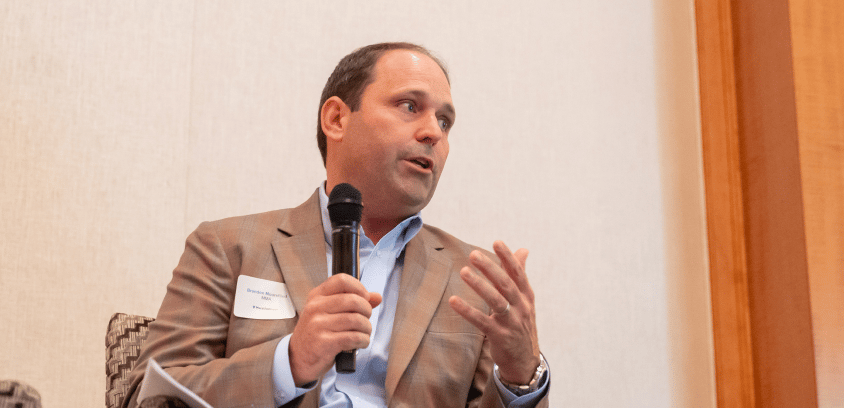
Prevention starts with making care easier to use
Healthcare often becomes most visible when someone is sick, but meaningful care begins much earlier. Routine checkups, preventive screenings, and ongoing relationships with a primary care provider can help identify health concerns before they become more serious and give people the support they need to manage chronic conditions over time.
Yet many employees never take advantage of those opportunities.
"Almost 40% of our employees get their annual checkups," said Pamela Genske. "Over 60% have not, and that's where you proactively catch your stuff."
The challenge isn't always a lack of benefits. Employees may struggle to find time for appointments, understand the resources available to them, or know where to begin.
For employers, improving health outcomes isn't simply about offering more benefits. It's about making preventive care easier to access and helping employees understand how and when to use the services already available to them.
Employers create pathways to healthier lives
Throughout the discussion, one message was clear: employers have an opportunity to do more than pay for healthcare. They can help employees find the care they need and make it easier to use.
“When we show up as a partner, when we start to disrupt that system and say, ‘I as your employer care about your health. I support you in taking care of your health. I support you in prevention and wellness, and I’m showing up in that way,’ you signal to that employee that they feel safe, they feel trusted, and they can actually get care as part of being that employee,” Beckwith said.
That support can take many forms, from onsite and nearsite clinics to virtual care, care navigation, and stronger connections between primary care, behavioral health, and specialty services.
For employers, creating a clearer pathway to care starts with asking a few practical questions:
-
Do employees know where to go when they need care?
-
Can they book an appointment at a time and place that works for them?
-
Are preventive care and screenings easy to access?
-
Is there a trusted provider guiding employees through their next steps?
-
Are the benefits we're adding making healthcare simpler—or just adding more complexity for employees to manage?
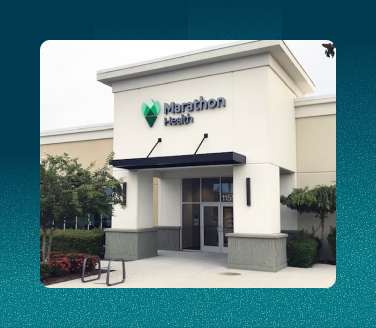
Marathon Health's work with employers across North Carolina provides one example of what this can look like in practice. Results from the region show how advanced primary care models can improve access, strengthen engagement, and support better health outcomes.
Regardless of the approach, the goal is the same: remove barriers that make healthcare difficult to navigate and create clear pathways to care that fit employees' lives. Employers cannot solve every challenge in healthcare, but they can remove many of the barriers that keep people from accessing it.
Technology should make care simpler, not less human
Getting back to the basics doesn't mean turning away from healthcare innovation. Technology can play an important role when it reduces complexity and strengthens the relationship between patients and providers.
“This is what we’re seeing everywhere, globally, when we talk to folks,” Amanda Barefoot said. “There’s fragmented care everywhere.”
Barefoot pointed to technology as one way to help connect information, improve coordination, and give healthcare professionals better tools to support patients.
The opportunity, then, isn't to add technology for technology's sake. It's to use it to remove friction, giving providers better information, making care easier to navigate, and creating more space for meaningful human interaction.
The future of healthcare starts with getting back to the basics
The Triangle has no shortage of healthcare resources or innovation. The opportunity now is to make those resources easier for people to access, navigate, and use.
For employers, that means looking beyond adding more benefits and focusing instead on whether employees have clear pathways to care, trusted relationships with providers, and support to stay healthier before more complex needs arise.
The future of workforce healthcare doesn't have to mean making the system more complicated. Sometimes, moving healthcare forward starts with getting back to the basics.