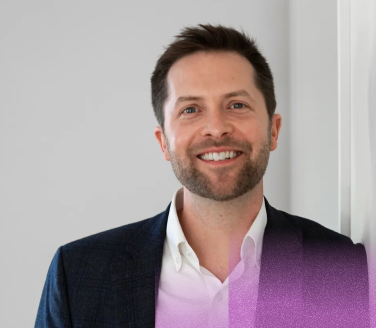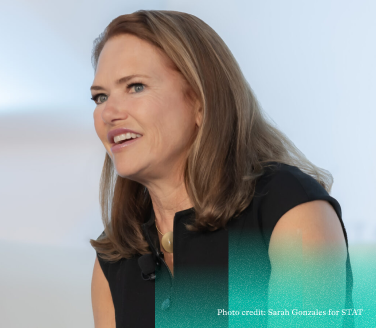
The future of preventive care depends on better data, aligned incentives, upstream treatment of chronic conditions, and care models built around longevity instead of sick care. Five healthcare leaders featured in Marathon Health's Grand Strides series—Dr. Amy Abernethy, Dr. Darshak Sanghavi, Dr. Gus Crothers, Dr. Ray Dorsey, and Dr. Kavita Patel—outline what it takes to get there. These are clear takeaways for healthcare optimists—people who see what's broken and go looking for what's next.
1. Dr. Amy Abernethy: Data-driven care starts with breaking down silos
Oncologist and former FDA deputy commissioner Dr. Amy Abernethy, cofounder of Highlander Health, has spent her career asking one question: why does it take so long for the right care to reach the right patient?
Her answer points to a structural problem. Clinical data generated every day in primary care visits, specialist consults, and hospital encounters rarely flows where it could do the most good. Regulators, providers, and payers each sit behind their own walls, working from incomplete pictures of what is actually happening to patients. The result is a system that generates enormous amounts of information and uses very little of it.
Abernethy's work has focused on closing that gap—building pathways for real-world evidence to inform drug approvals, care protocols, and population health strategy. She believes when data moves safely and freely, clinicians can identify what is working, researchers can accelerate discovery, and policymakers can make more grounded decisions.
"We can act as really good stewards by promoting cross-collaboration and intersectional thinking," Abernethy says.
That philosophy—data as a shared resource, not a proprietary asset—sits at the heart of her vision for preventive care. The more clearly a system can see its patients, the earlier it can act, and the better outcomes become over time.
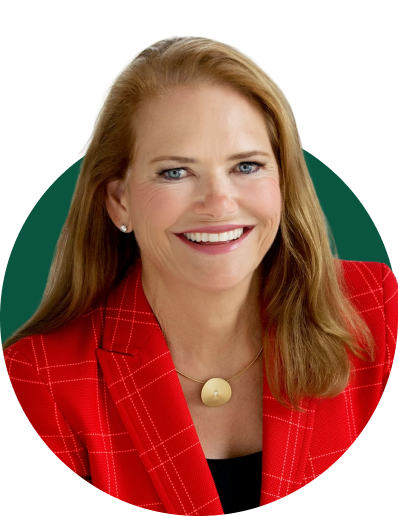
For clinicians delivering new models of care—or employers sponsoring it—my advice is simple: get clear on your 'why,' then go to the intersections.
Co-founder, Highlander Health
2. Dr. Darshak Sanghavi: Aligned incentives are key to building patient trust
Pediatrician, former Center for Medicare and Medicaid Innovation director, and former ARPA-H program manager Dr. Darshak Sanghavi, now chief medical officer at Machinify, has spent much of his career diagnosing a problem that goes beyond clinical care: the financial architecture of American healthcare rewards the wrong things.
Sanghavi helped design landmark programs like the Medicare Diabetes Prevention Program, and what he observed over years of health policy work is that providers rarely fail patients out of indifference—they fail them because the system rewards volume, not value. When clinicians are incentivized to generate procedures and visits rather than prevent illness, even the most well-intentioned care drifts toward treatment instead of prevention. Realigning those incentives, he argues, is not just a policy issue—it is the precondition for building a healthcare system patients can trust and one clinicians enjoy practicing in.
Patients who feel like they are being processed rather than heard disengage from care entirely, and providers facing the same disconnect burn out and leave the profession—two sides of the same broken incentive. Sanghavi points toward care models where providers are accountable for what happens to patients between appointments, not just during them.
"If you're able to show that you're actually there, trust follows fairly quickly," Sanghavi says.
When incentives point toward long-term health rather than short-term throughput, patients notice—and they show up differently.
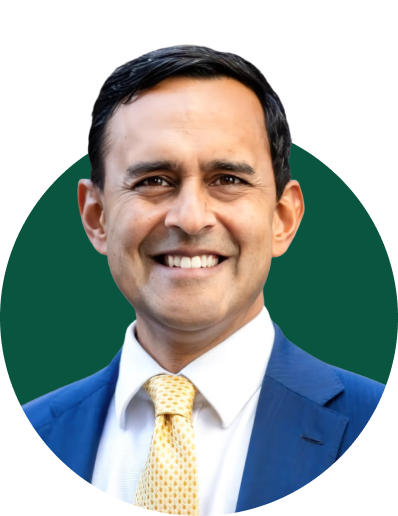
I'm obsessed with creating the right environment…so that doing the right thing for patients becomes the thing that's good for your institution.
Chief Medical Officer, Machinify
3. Dr. Gus Crothers: Remove stigma to bring care upstream
Dr. Jacob “Gus” Crothers, addiction medicine specialist and chief medical officer and co-founder of Tokaido Health, has spent his career working to move substance use disorder (SUD) treatment out of the shadows and into the everyday flow of primary care—where he believes it has always belonged.
Crothers's central argument is straightforward: substance use disorder is a chronic, treatable medical condition, and primary care clinicians are uniquely positioned to catch it early. Yet for decades, the field treated addiction as a specialty concern—something referred out, managed elsewhere, or quietly avoided in routine visits. When clinicians don't ask, patients don't disclose, and a window for early intervention quietly closes.
His work has focused on building care models that integrate screening, medication-assisted treatment, and ongoing support into settings patients already trust—stripping away the stigma and logistical barriers that keep people from seeking help, and replacing them with consistency and relationship. Crothers argues the clinical skills required aren't overly specialized; they just need to be taught, practiced, and standardized.
What changed his own practice, he says, was simply learning to ask.
"Once I learned to ask about substance use—that it wasn't taboo—I saw people open up," Crothers says.
That shift in clinical culture is where real change begins. When primary care clinicians normalize the conversation, patients who have spent years hiding a struggle find themselves met with care rather than judgment.

People tend to see positive outcomes with this disease. Sharing that with your patients inspires hope, and hope is the antidote to stigma.
Chief Medical Officer and Co-founder, Tokaido Health
4. Dr. Ray Dorsey: Brain health isn't just about aging
Neurologist Dr. Ray Dorsey, co-author of The Parkinson's Plan and director of the Center for the Brain and Environment at Atria Health and Research Institute, argues Parkinson's disease is not an inevitable consequence of aging—it is, in large part, an environmental disease, and that means it is largely preventable.
Decades of rising Parkinson's rates cannot be explained by genetics alone. Pesticides, industrial solvents, and other environmental toxins have emerged as significant risk factors, and Dorsey argues the medical community has been slow to reckon with what that means. Treating Parkinson's as mysterious and unpreventable, he says, lets us off the hook for addressing the exposures driving it.
But the message is equally about what to do. Exercise, he argues, is the single most evidence-backed intervention for slowing Parkinson's progression, and it works best when started early. The disease often announces itself years before a tremor appears, and most clinicians aren't trained to connect those dots.
"We can create a world where Parkinson's, Alzheimer's, and ALS are again extraordinarily rare," Dorsey says.
Earlier identification, lifestyle change, and environmental accountability—not just better drugs—are what Dorsey sees as the path forward for brain health.
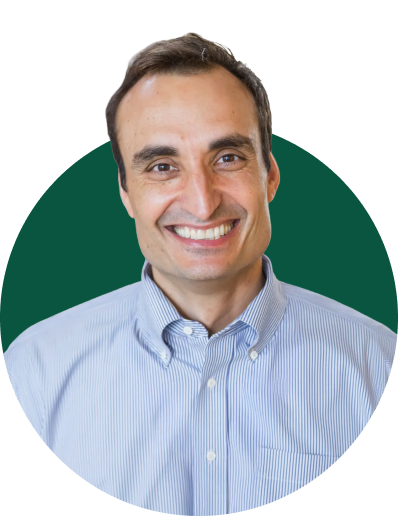
If we addressed these upstream environmental factors, we'd see far less prevalence of the chronic diseases that account for 90% of U.S. healthcare spend.
Neurologist, Atria Health and Research Institute
5. Dr. Kavita Patel: Longevity medicine shouldn’t be a luxury
Dr. Kavita Patel, primary care physician and former policy director in the Obama White House who helped shape the Affordable Care Act, has a simple but pointed argument: longevity medicine should not be a luxury. The version of longevity care that dominates headlines—executive physicals, concierge clinics, biohacking protocols, peptide stacks—is built for a narrow slice of the population. Patel wants to dismantle that assumption entirely.
Her vision centers on something more durable: primary care that is personalized, evidence-based, and built around a long-term relationship between patient and clinician. That kind of care, she argues, is already longevity medicine—it just isn't marketed that way. When a primary care physician has enough time to ask about sleep, stress, and movement alongside cholesterol and blood pressure, they're doing the same work concierge clinics charge a premium for.
"Great longevity medicine is great primary care," Patel says. "It's just not marketed that way."
Longevity care, as it's currently understood, skews heavily toward those who can pay for it. Patel argues the most effective longevity interventions—personalized care, consistent follow-through, lifestyle guidance grounded in evidence—are not out of reach. They're what good primary care has always been. Making that care available to everyone is what she sees as the real frontier.
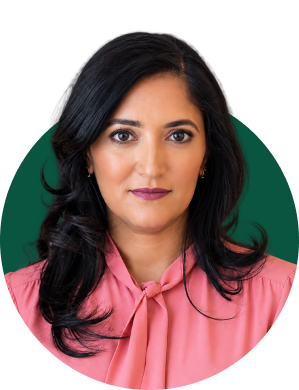
I want us, primary care providers, to become the longevity care experts. We can take back the concept from the 1% to the 100%.
Primary Care Physician, Venture Advisor
What this means for you
Across these leaders, a clear pattern emerges: prevention only works when data, incentives, and care delivery are all pulling in the same direction—and employers are in a stronger position than most to make that happen.
-
Use data as a strategic asset: Prevention is an information problem. Working with care providers that break down data silos—and use real-world evidence to guide population health decisions—catch problems earlier and act more effectively.
-
Align incentives around outcomes: Trust follows structure. Benefits designs that reward consistent, relationship-based care, rather than high-volume, transactional visits, keep patients engaged in their own health over time.
-
Remove stigma in primary care: Visibility drives access. Look for care models where clinicians are trained to screen for substance use disorder routinely—not as a specialty referral, but as a standard part of primary care.
-
Take environmental and lifestyle risk seriously: Neurological disease isn't inevitable. Support earlier detection and prevention by investing in care that screens for early warning signs and promotes evidence-backed interventions like exercise.
-
Invest in primary care as longevity medicine: The most effective longevity interventions aren't new—they're what good primary care has always been.
The throughline across all five conversations is clear: prevention only works when the right structures are in place. Employers who invest in advanced primary care aren't just managing cost—they're building the foundation that makes real prevention possible. That's not a future aspiration. It's a choice available right now.
About Grand Strides
Marathon Health's Grand Strides series brings our clinical community together for candid conversations with trailblazers in healthcare. These sessions are designed to spark new thinking, share actionable insights, and inspire our teams as we navigate the evolving landscape of care.