"Longevity" has become one of the buzziest words in healthcare, but most of the conversation lives in a world of biohacking, wearables, and supplement stacks aimed at people who can already afford unlimited access to care. That framing leaves out the everyday workers who make up the backbone of the American workforce, and who stand to benefit the most from evidence-based prevention.
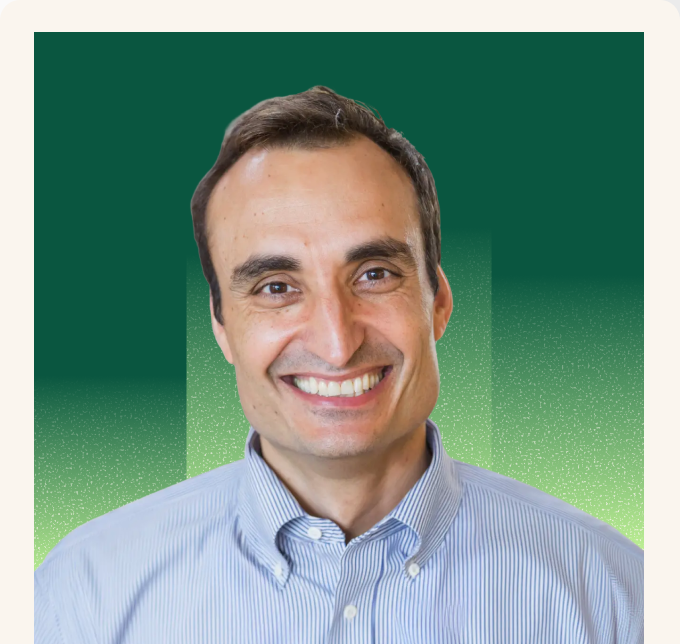
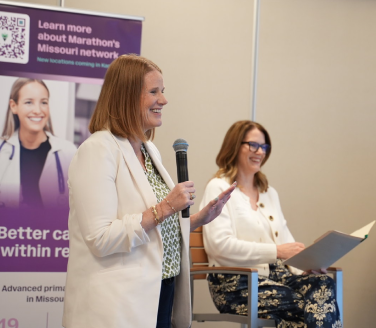
In this Grand Strides session, Keena Zinn, MSW, national director of clinical wellness at Marathon Health, sat down with Kavita Patel, MD, a primary care physician, venture advisor, and former policy director in the Obama White House who helped architect the Affordable Care Act. Dr. Patel has spent her career moving between the exam room and the halls of federal policy—and brought that dual perspective to a candid discussion about what's actually backed by evidence in the longevity movement, how primary care can extend both lifespan and healthspan for working Americans, and what it would take for the U.S. to finally get prevention right.
The disconnect between what we know and what we deliver
Q: You've spent your career shaping healthcare delivery from the exam room to the White House. When you look at the longevity conversation today, what's the biggest disconnect between what we know helps people live longer, healthier lives and what our healthcare system delivers?
Dr. Patel: I'll admit that the longevity conversation initially felt like a 1% conversation—only people who can afford it can think about these things. I remember thinking, "This is very nice, but this does not apply to my patients, nor does it apply to me."
Once I started to dive into the content, that early longevity work taught me, in an evidence-based way, that I wasn't as up to date as I thought I was. There were more kinds of evidence—like real-world evidence—I should be exploring beyond scientific journals. For example, what does the evidence around cardiovascular disease tell us? It tells us that we don't diagnose a lot of people with heart disease, especially women. Even when we do diagnose it, we throw the same recommendations at everyone instead of personalizing care. We still don't understand how the conditions move through episodes, especially when someone also has diabetes or metabolic-associated liver disease.
All of this is wrapped up under the umbrella of longevity. I've now taken the tack that everyone deserves longevity—it's not just a 1% conversation. To me, longevity is primary care. But the traditional system doesn't structure our workflows, our clinics, and our patient time to support that. That’s why it ends up being a luxury for people who can afford more of our time and "do-it-yourself care"—reading books, following blogs and Substacks, and stitching together information from 10 different doctors.
I now embrace the word longevity. Rather than just repeating the same guidelines to everyone—get 150 minutes of exercise and eat healthier—we must personalize our care for each individual's health and lifestyle. Recently, I've been exploring the American Board of Lifestyle Medicine certification to broaden my perspective on nutrition, sleep, social connection, and more, and would encourage other primary care providers to do the same.
Great longevity is great primary care. As we think about the future identity of primary care, I believe my job will be to help people think about how they want to live when they're 50, 60, 70, 80 years old—and help get them there. Who doesn't want to live longer, with the quality of life they want?
Separating evidence from noise
Q: GLP-1s have transformed the conversation around obesity and metabolic health, while social media has made wellness influencers some of the loudest voices in healthcare. How should clinicians think about these trends, and what's the difference between what's driving attention and what's driving better health?
Dr. Patel: Let's take peptides—as I believe they're a reflection of this movement of patients thinking, "If my healthcare professional, my doctor, doesn't want to do this for me, I can just go get it." We have validated, evidence-based peptides—but not all peptides are created equal. I did a "mystery shopping" exercise online and what I found was people taking advantage of desperation.
Candidly, the traditional system has failed people by the fact that their provider is scheduled every 15 minutes. If you're my 8 am patient, I'm probably more attentive than if you're my 3:45 pm patient and I'm already running an hour and a half late.
When I’m dealing with stroke risk for a patient, and then out of nowhere they’re asking about peptides because an athlete they admire recovered quickly from an injury, most of us are thinking—we don't have time, we aren't trained in "grifter science," and don't know how to handle the conversation. That judgment gap is part of what pushes people into these corners. I've met patients who've spent an entire paycheck on these treatments, and when they don't work, instead of saying "I told you so," I try to understand what's really going on—we're all just human.
I now try to ask directly: What are you Googling? What are you looking for on TikTok? What are you asking ChatGPT or other AI models that you’re too nervous to ask me? I'll admit, when I have a question about my own kid's allergies, I'm not waiting for an appointment either—I'm often going to these sources too. Part of our job is to understand where our patients are getting information and create a safe space for them to ask the questions they've been too embarrassed to ask in the past.
My advice: withhold judgment, get honest information from patients, and use the power of your population data. Even anecdotal patterns—dozens of cases across the country reporting a certain outcome—can tell you something valuable.
Getting longevity medicine right
Q: If you zoom out 10 years from now, what would make you feel like we got longevity medicine right in the U.S.? What role will primary care have played?
Dr. Patel: Getting it right means that we move from an annual visit mindset to a longevity visit mindset—we're helping patients think beyond the next year to how they want to live for the years to come.
We've talked for years about primary care being the "quarterback," but that's turned into being the lowest common denominator: whatever nobody else wants to deal with becomes ours. Imagine instead that through smarter use of technology, plus the ability to counter misinformation with real information, we become the longevity experts. People come to us because they want to live—because they don't want their kids to feel burdened by them, because they want to be healthy enough to take care of the people they love.
I'd add that no AI and no EHR is going to reproduce what happens when we address the full picture of a patient's life, including things like social connection. If someone has a sick child at home, it doesn't matter what else I tell them to do; that's what they need help with first. That's the interdisciplinary lens of lifestyle medicine and it's where primary care becomes irreplaceable.
I want us, primary care providers, to become the longevity care experts. We can take back the concept from the 1% to the 100%. I don't think we have to wait 10 years for that. I think we could get there in five, if we start framing ourselves as the experts now. I'm hopeful.
What this means for you
Longevity doesn't have to be reserved for those who can afford biohacking and boutique concierge care. For employers and labor organizations, the real opportunity is recognizing that longevity medicine is simply good primary care, delivered with the time and structure to make prevention possible. Consider how you can:
-
Invest in primary care models that give clinicians the time to build trust, ask honest questions, and address the full picture of a patient's life, not just the 15 minutes in front of them.
-
Support lifestyle medicine and interdisciplinary care, including health coaching, that addresses sleep, nutrition, movement, and social connection as core drivers of long-term health outcomes.
-
Equip care teams to meet patients where they are, including the misinformation they encounter online, so trust and honesty replace judgment and silence.
Extending both lifespan and healthspan for your workforce starts with a care model built to prevent disease, not just treat it after it happens.
This interview has been condensed and edited for clarity and brevity.
About Grand Strides
Marathon Health's Grand Strides series brings our clinical community together for candid conversations with trailblazers in healthcare. These sessions are designed to spark new thinking, share actionable insights, and inspire our teams as we navigate the evolving landscape of care.