As healthcare costs continue to rise nationwide, employers are under increasing pressure to balance affordability, employee expectations, and health outcomes. This tension has become especially critical in Ohio, where healthcare costs can be 20% higher than the national average, and where 69% of Ohioans have struggled to afford care.
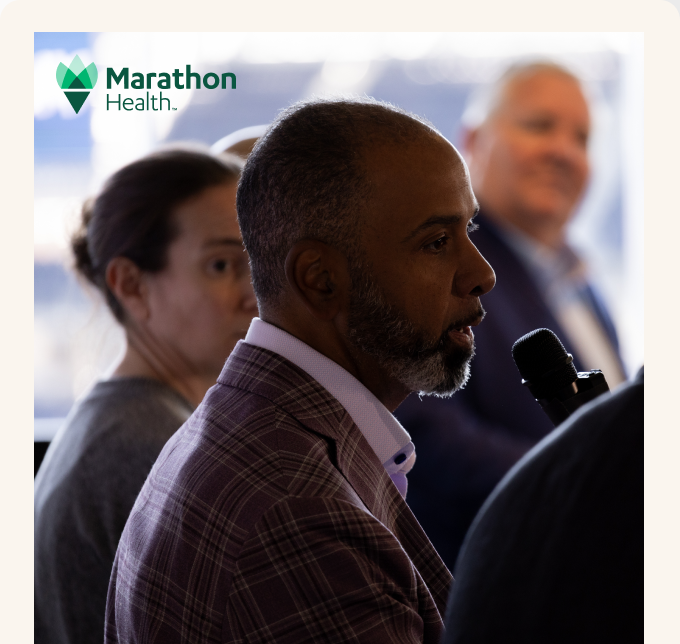
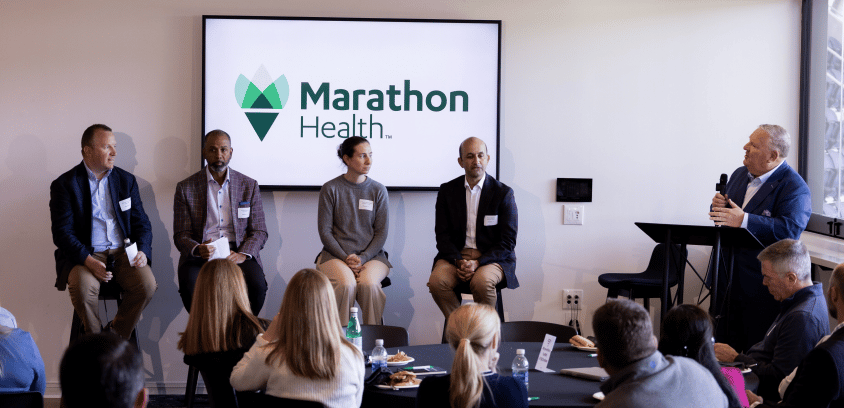
At a recent roundtable hosted by Marathon Health in partnership with Cincinnati Business Courier, healthcare and business leaders discussed how employers can improve access and create more connected care experiences, while also working to reduce long-term healthcare costs.
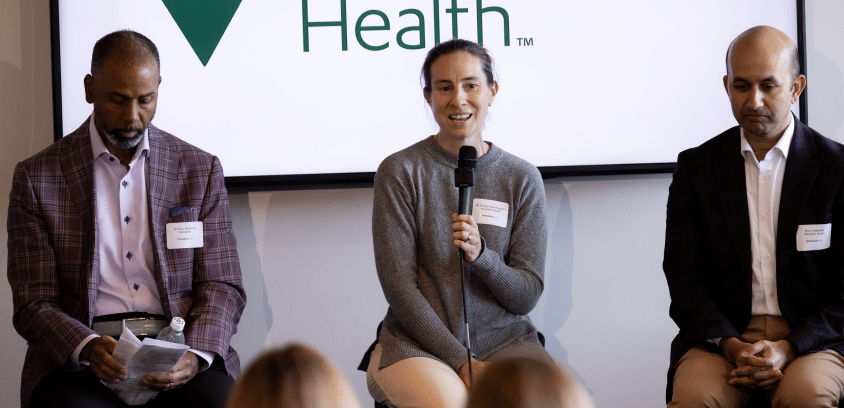
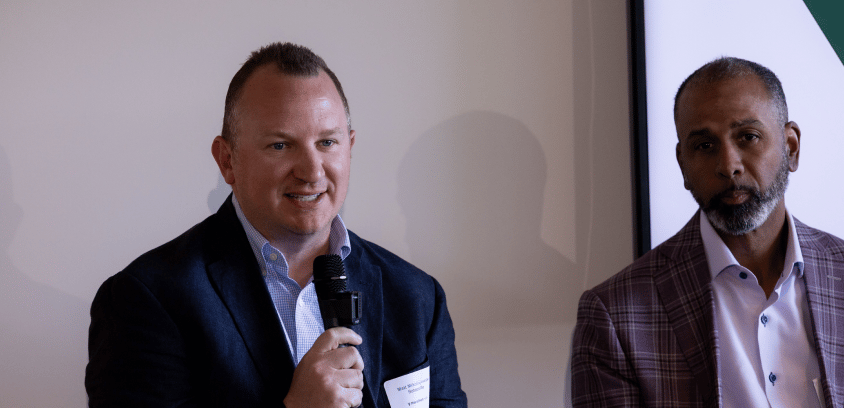
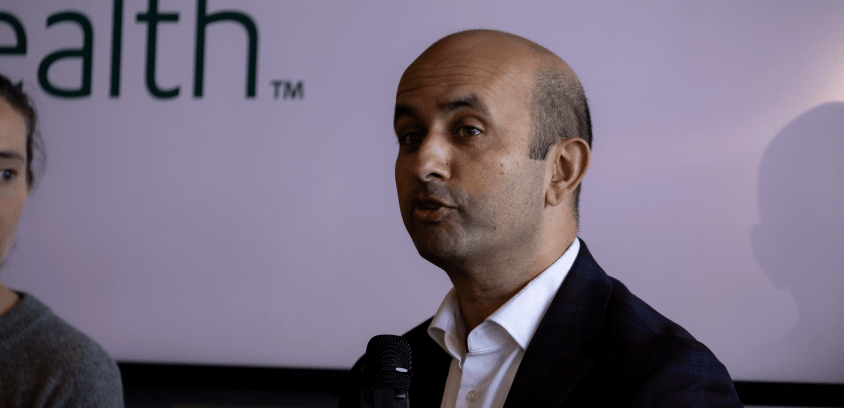
Moderated by Jamie Smith, publisher of the Cincinnati Business Courier, the roundtable brought together Ohio-based healthcare and business experts, including Matt Mikolajewski, director of benefits and compensation at Batesville; Dr. Marc Watkins, board member at Concentra and former chief medical officer at Kroger Health; Dr. Evelyn Hemmingsen, medical director for Marathon Health in eastern Ohio; and Dr. Nirav Vakharia, COO for Marathon Health. Together, the panel explored how leaders across the state are addressing rising healthcare costs, expanding access to care, and rethinking the role employers play in supporting workforce well-being.
Throughout the discussion, one theme consistently emerged: improving long-term health outcomes and controlling healthcare spending will require a more connected, proactive approach to care. From strengthening access to primary care and preventive services to integrating behavioral health and simplifying healthcare navigation, the panel emphasized the importance of building healthcare systems that are easier to access, more relationship-driven, and better aligned with the needs of employees and their families.
Why Ohio employers are re-evaluating their healthcare strategies
Healthcare spending in Ohio continues to outpace inflation, forcing employers to rethink both their healthcare strategies and the traditional benefits models they have long relied on. In Ohio, where healthcare costs rank among the highest in the country, business leaders are facing growing pressure from rising pharmaceutical expenses, increasing stop-loss insurance costs, and economic challenges in cities where household incomes often fall below national averages.
Rising healthcare costs in Ohio are affecting more than benefits budgets
Dr. Marc Watkins emphasized that healthcare decisions can no longer be viewed solely through the lens of benefits spending. Instead, employers must recognize the connection between healthcare access, workforce productivity, and organizational performance.
"How do we look at this as managing an opportunity to control workforce productivity?" Watkins asked. "The CHRO and CFO need to get aligned, as productivity aligns with cost, if you're going to manage a workforce that is resilient."
Watkins noted that employers are simultaneously navigating rising pharmaceutical expenses, increasing stop-loss costs, and escalating healthcare premiums, making collaboration between HR and financial leadership more important than ever.
Dr. Nirav Vakharia encouraged employers to consider the broader business impact of healthcare spending. "What's the crowd-out effect?" he asked. "What's not happening because you're having to dedicate more of your precious resources to funding health care?"
In our current workplace, employees with unmanaged chronic conditions account for a disproportionate share of healthcare spending, mental health conditions contribute significantly to absenteeism, and poor healthcare access is linked to lower productivity and higher turnover. For employers, these costs are not simply a benefits challenge, they are direct drivers of workforce performance, retention, and organizational growth.
Disconnected healthcare systems are creating barriers to care
Dr. Nirav Vakharia brought up the major advances in healthcare over the last several decades. Improved screenings, treatments, and therapies have helped drive cancer mortality rates down by more than 35%, while new approaches to obesity and chronic disease treatment are reshaping modern healthcare.
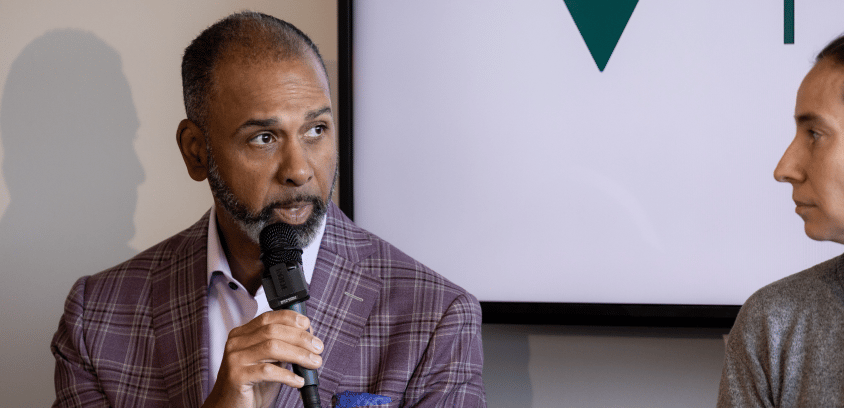
Despite these advances, many patients still struggle to access timely, coordinated care. “Today’s healthcare system remains highly fragmented, with disconnected providers, overburdened primary care systems, and care models that often prioritize volume over long-term patient relationships,” Dr. Watkins explained.
We have all these amazing treatments and complex strategies to deal with chronic illness, but we don’t have the systems in place to get that care delivered to patients. — Dr. Evelyn Hemmingsen
Employees often struggle to navigate healthcare systems
Even when high-quality care and advanced treatments are available, many patients do not know where to go, how to access care, or how to navigate referrals and specialty services. This lack of coordination can lead to delayed treatment, worsening chronic conditions, unnecessary emergency room utilization, and rising healthcare costs for both employers and employees.
Why primary care is becoming the foundation of employer healthcare strategies
One of the strongest themes throughout the discussion was the growing importance of primary care access.
“When employees understand where to go for care, when to seek treatment, and how to navigate the healthcare system, they are more likely to access the services they need earlier and more effectively,” said Matt Mikolajewski. He, along with other panelists, described primary care as one of the most effective and cost-efficient ways to improve employee health while reducing long-term healthcare spending.
Dr. Watkins also stressed the value of primary care in improving population health outcomes and helping Ohio employers better manage healthcare costs over time.
Preventive care can reduce long-term healthcare costs in Ohio
The group discussed how preventive and relationship-based care can help employees manage chronic conditions earlier, improve healthcare engagement, and reduce avoidable emergency and urgent care utilization. As a result, many Ohio employers are increasingly exploring healthcare strategies centered around preventive screenings, chronic disease management, and earlier intervention before conditions become high-cost claims.
These shifts have resulted in lower costs. In addition to 21% lower claims costs for engaged Ohio members, employers have seen $1.3K in annual savings per engaged member. In a state where the average out-of-pocket expenses for members are $780 higher than the national average, this savings is meaningful.
Relationship-based primary care improves trust and continuity
The panel also emphasized that employees are more likely to engage in healthcare when they have access to a consistent care team and clear care navigation pathways. Relationship-driven primary care models can improve trust, strengthen continuity of care, and help employees better understand where to go for services across the healthcare system.
The shift from managing episodes to managing relationships leads to the earlier management of conditions and helps to prevent disease before it happens. — Dr. Marc Watkins
Key benefits of strong primary care access
-
Improved preventive care participation
-
Earlier chronic disease intervention
-
Reduced emergency room utilization
-
Better care coordination
-
Stronger employee engagement and trust
-
Lower long-term healthcare costs
Ohio employers are taking a more active role in healthcare delivery
As Ohio healthcare costs continue to rise, many employers are taking greater ownership over healthcare strategy, benefit design, and care access. Rather than simply absorbing annual cost increases, organizations are increasingly evaluating new approaches to healthcare delivery that improve employee access while helping control long-term costs.
Employers are exploring alternative healthcare models
Over the past few years, new strategies that balance cost control with access have emerged. A few of these strategies include:
-
Emerging employer healthcare strategies
-
Value-based care arrangements
-
Direct contracting with providers
-
Integrated care navigation systems
-
Preventive care initiatives

Integrated behavioral health is becoming a business priority
Mental health integration emerged as another major focus during the discussion. “Employees increasingly expect behavioral healthcare to be accessible, connected, and integrated alongside physical healthcare services,” said Dr. Vakharia. “These changing expectations are pushing healthcare organizations and employers to take true parity between physical and mental health more seriously.”
“Integrated care models can improve communication between providers, create more coordinated healthcare experiences, and support better long-term outcomes for employees,” Dr. Watkins shared. The group emphasized the value of integrating behavioral health providers with primary care and care management teams.
The gold standard that we all should be looking for is true integration, where your mental health providers and your physical health providers are sitting together talking about how to help people advance their health. — Dr. Nirav Vakharia
Employers have more influence over healthcare systems than they realize
As the conversation concluded, the panel emphasized the growing influence employers have over employees' healthcare experience. Employers today do far more than simply provide health insurance coverage. Through benefit design, provider partnerships, navigation support, and primary care investment, they help shape how employees' access and engage with care.
Employers that take a more active role in healthcare strategy are often better positioned to improve care quality, strengthen employee trust, and control long-term healthcare spending.
The future of employer healthcare will focus on connection and prevention
The broader takeaway from the discussion was clear: employers that prioritize preventive care, strengthen primary care access, integrate behavioral and physical health, and simplify healthcare navigation will be better positioned to improve workforce well-being while managing rising healthcare costs.
As healthcare challenges in Ohio continue to evolve, employers increasingly have an opportunity to help create healthcare systems that are more connected, proactive, relationship-based, and easier for employees and families to navigate.